
LATEST FROM THE BLOG


Recipe Blog
This is an example post, originally published as part of Blogging University. Enroll in one of our ten programs, and…
Jane Austen Blog
This is an example post, originally published as part of Blogging University. Enroll in one of our ten programs, and…
ABOUT
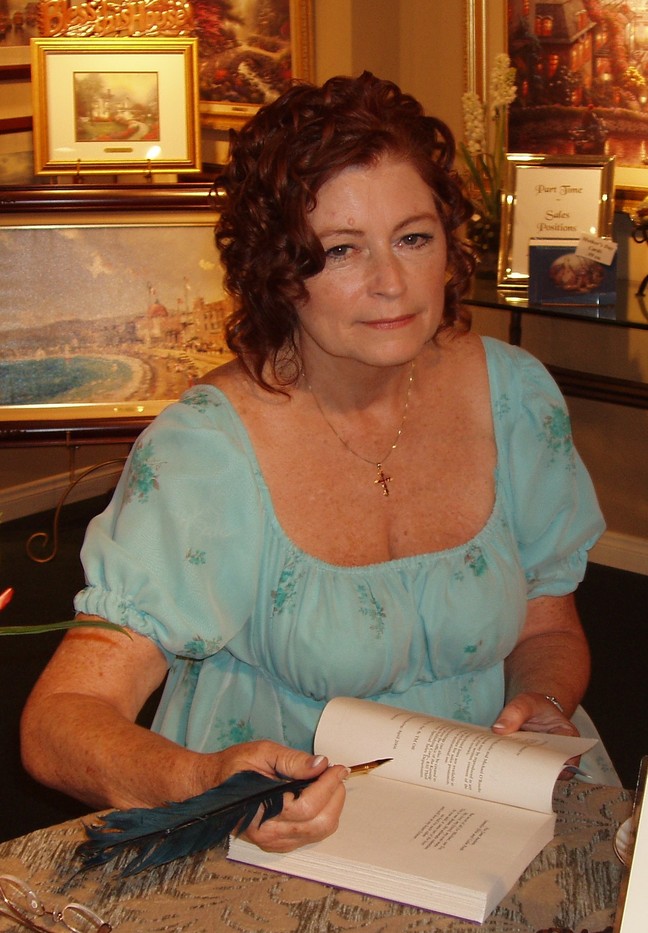
Sally Smith O’Rourke
“Where shall I begin? Which of all my important nothings shall I tell you first?” (J.A. June 15, 1808)
That I reside in the Victorian village of Monrovia, California; a mere two miles from my place of employment, The City Of Hope. COH is a cancer research hospital where I spend most daylight hours in the operating room as a scrub nurse.
That I was widowed some time ago. That I have very domestic hobbies like sewing, cooking, baking, candy making and cake decorating. Oh, yeah I write, too. Mike, my late husband and teacher, taught me that writing has to be treated like a job so every day no matter how tired I am I edit, research one or more projects and write.
PUBLISHED BOOKS
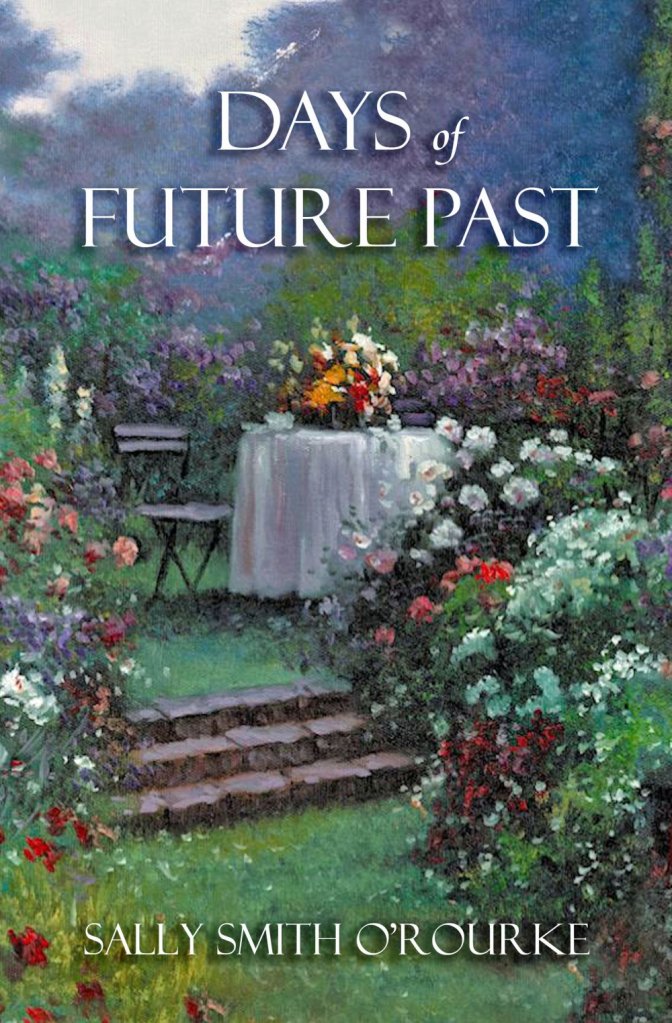
Days of Future Past
Published: November 20, 2014
Things are not always what they seem, and fate sometimes conspires to right a decades-old wrong. Twenty years after the cancellation of their wedding, family therapist Ann Hart and trauma specialist Ted McConaughy embark on a journey that defies time and reason, forcing them to re-evaluate their capacity for love and forgiveness.
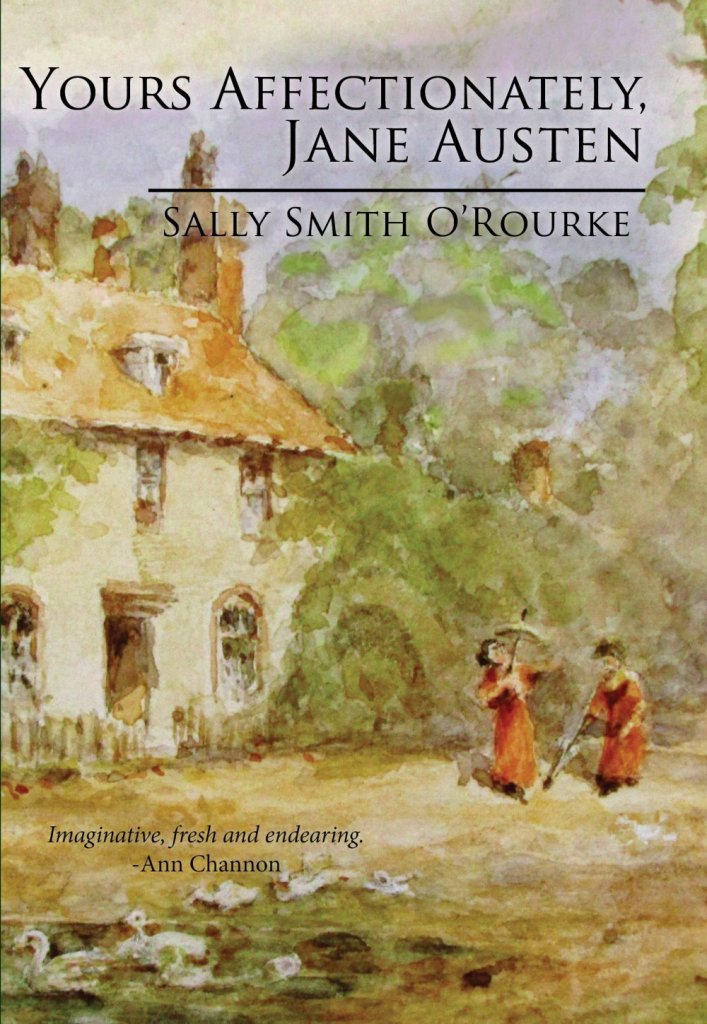
Yours Affectionately, Jane Austen
Published: January 9, 2014
Was Mr. Darcy real? Is time travel really possible? For pragmatic Manhattan artist Eliza Knight the answer to both questions is absolutely, Yes! And Fitzwilliam Darcy of Pemberley Farms, Virginia is the reason why!
His tale of love and romance in Regency England leaves Eliza in no doubt that Fitz Darcy is the embodiment of Jane Austen’s legendary hero. And she’s falling in love with him. But can the man who loved the inimitable Jane Austen ever love average, ordinary Eliza Knight?

Christmas at Sea Pines Cottage
Published: October 1, 2008
Spending his days writing, tending to the local lighthouse, and nursing his injuries from the war, a young man named Robert, staying in the weathered Sea Pines Cottage, keeps company with only an adopted Golden Retriever puppy, until he rescues a young woman from sea.
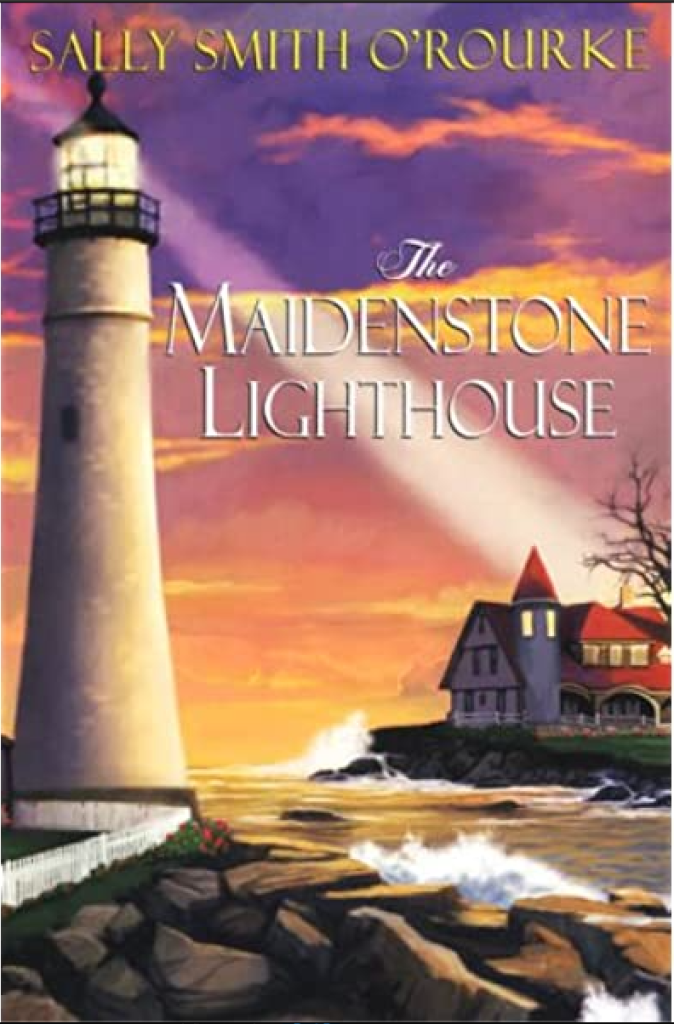
The Maidenstone Lighthouse
Published: February 1, 2008
New York artist Eliza Knight certainly did not realize it at the time, but her life changed when she bought the old, beat-up vanity table one lazy Sunday afternoon. Tucked away behind the mirror she found two letters, one sealed, but one already opened: “May 12th, 1810. Dearest Jane, the Captain has found me out. I am being forced to go into hiding immediately. But if I am able, I shall still be waiting at the same spot tonight. Then you will know everything you wish to know. F. Darcy.” Fitzwilliam Darcy, the fictional hero of Jane Austen’s “Pride and Prejudice”? Could this man, possibly the most romantic character ever written and the hero of Eliza’s favourite novel, have been a real person?
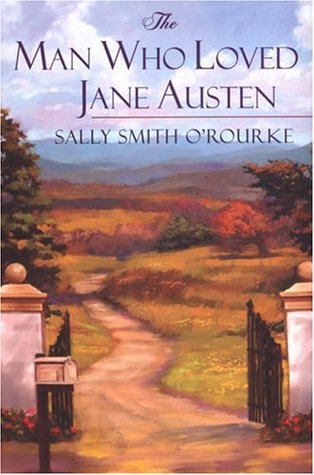
The Man Who Loved Jane Austen
Published: April 1, 2006
New York artist Eliza Knight certainly did not realize it at the time, but her life changed when she bought the old, beat-up vanity table one lazy Sunday afternoon. Tucked away behind the mirror she found two letters, one sealed, but one already opened: “May 12th, 1810. Dearest Jane, the Captain has found me out. I am being forced to go into hiding immediately. But if I am able, I shall still be waiting at the same spot tonight. Then you will know everything you wish to know. F. Darcy.” Fitzwilliam Darcy, the fictional hero of Jane Austen’s “Pride and Prejudice”? Could this man, possibly the most romantic character ever written and the hero of Eliza’s favourite novel, have been a real person?
CONTACT SALLY
 Sally Smith O'Rourke